
Keeping your smile bright and your teeth strong starts with knowing how to prevent cavities before they even begin. Cavities, also known as dental caries, form when plaque, a sticky film of bacteria, builds up on your teeth and feeds on sugars from the foods and drinks you consume. This process produces acids that erode tooth enamel, leading to decay. Fortunately, cavity prevention is well within your control through consistent oral hygiene, smart dietary choices, and proactive dental care. In this guide, you’ll discover practical, science-backed habits to prevent tooth decay, avoid cavities naturally, and maintain lifelong oral health.
What Are Cavities and How Do They Form?
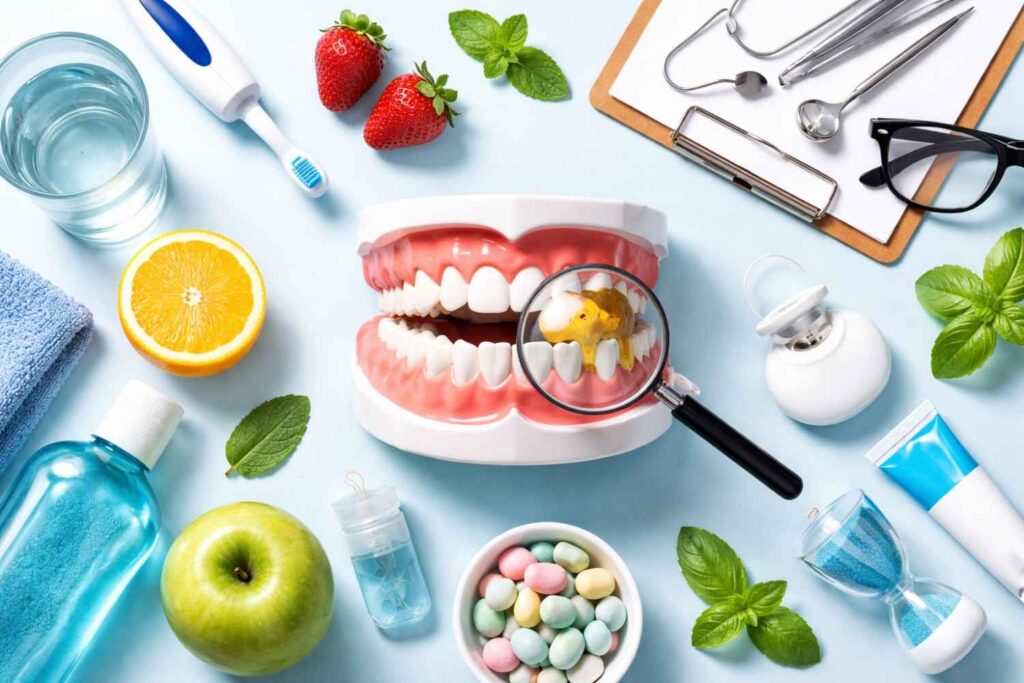
Cavities develop through a gradual process that begins the moment food residues mix with oral bacteria. When you eat sugary or starchy foods, the bacteria in your mouth break them down and release acid as a byproduct. Over time, this acid weakens the protective enamel layer of your teeth. If not removed regularly through brushing and flossing, plaque hardens into tartar, which harbors even more harmful bacteria. Left unchecked, the acid continues attacking deeper layers of the tooth, first the dentin and eventually the pulp, leading to pain, infection and possibly tooth loss. Understanding how cavities form is the first step toward effective cavity prevention.
Quick Summary: Best Daily Habits to Prevent Cavities
Category | Key Action | Why It Helps |
| Oral Hygiene | Brush twice daily with fluoride toothpaste | Strengthens enamel and removes plaque |
| Floss every day | Cleans between teeth where brushing can’t reach | |
| Rinse with water or fluoride mouthwash | Reduces bacteria and neutralizes acids | |
| Replace toothbrush every 3–4 months | Ensures effective cleaning and plaque removal | |
| Diet & Lifestyle | Limit sugary and starchy snacks/drinks | Reduces fuel for cavity-causing bacteria |
| Eat tooth-healthy foods (e.g., cheese, leafy greens, crunchy veggies) | Supports remineralization and saliva production | |
| Drink plenty of water (especially fluoridated) | Washes away food particles and maintains saliva flow | |
| Chew sugar-free gum with xylitol after meals | Stimulates saliva and inhibits harmful bacteria | |
| Professional Care | Visit Sasane Dental Clinic every 6 months | Enables early detection and professional cleaning |
| Ask about dental sealants | Protects deep grooves in molars from decay | |
| Consider professional fluoride treatments | Provides extra enamel protection for high-risk individuals |
Essential Oral Hygiene Habits to Prevent Cavities & Tooth Decay
Brush Twice Daily with Fluoride Toothpaste
Brushing your teeth twice a day, morning and night, is non-negotiable. Use a soft-bristled toothbrush and fluoride toothpaste, which actively strengthens enamel and helps reverse early signs of demineralization. Focus on proper brushing technique to prevent cavities: hold your brush at a 45-degree angle to the gums and use gentle, circular motions. Don’t forget the back teeth and along the gumline, where plaque tends to accumulate.
Floss Daily to Prevent Cavities Between Teeth
No toothbrush can reach the tight spaces between teeth. That’s why flossing to prevent cavities is essential. Daily flossing removes food particles and plaque from interdental areas, significantly lowering your risk of decay and gum disease. Make it a non-negotiable part of your nighttime routine.
Use Mouthwash or Rinse After Meals
Using an antibacterial or fluoride mouthwash adds an extra layer of protection. It helps reduce plaque, freshens breath, and delivers cavity-fighting ingredients to hard-to-reach spots. If you don’t have mouthwash, a simple rinse with water after meals can still wash away loose food and neutralize acids.
Replace Your Toothbrush Every 3–4 Months
Worn bristles clean less effectively. Replace your toothbrush, or brush head if you use an electric model, every three to four months, or sooner if the bristles fray. This small habit ensures your brushing remains effective in your overall strategy to prevent cavities.
Diet and Lifestyle Habits That Help Prevent Cavities
Limit Sugary and Starchy Foods That Cause Cavities
Foods that cause cavities include candies, sodas, cookies, chips, and even seemingly healthy items like dried fruit and flavored yogurts. These feed cavity-causing bacteria. Reduce the frequency of snacking and avoid sipping sugary drinks throughout the day, as constant exposure gives bacteria more opportunity to produce acid.
Eat Tooth-Healthy Foods That Prevent Cavities
Incorporate foods that prevent cavities into your daily meals. Crunchy fruits and vegetables like apples, carrots, and celery stimulate saliva flow, which naturally cleanses the mouth. Dairy products such as cheese, milk, and plain yogurt are rich in calcium and phosphates that help rebuild enamel. Nuts, leafy greens, and lean proteins also support strong teeth.
Drink Plenty of Water for Cavity Prevention
Water, especially fluoridated tap water, is one of the best beverages for oral health. It helps wash away food particles, dilutes acids, and keeps your mouth hydrated. Saliva, which is mostly water, plays a critical role in neutralizing acids and remineralizing enamel.
Chew Sugar-Free Gum with Xylitol After Meals
Chewing sugar-free gum, preferably with xylitol, for 20 minutes after meals stimulates saliva production and helps clear away food debris. Xylitol also inhibits the growth of Streptococcus mutans, a primary bacterium responsible for cavities.
Professional Dental Treatments for Long-Term Cavity Prevention
Regular Dental Checkups for Early Cavity Detection
Even with perfect home care, professional cleanings and exams are irreplaceable. Dentists can spot the early signs of cavities, such as white spots or enamel softening, before they become serious. Biannual visits to Sasane Dental Clinic allow for timely intervention, personalized advice, and thorough removal of tartar that brushing alone can’t address.
Dental Sealants to Protect Teeth from Cavities
Dental sealants are thin, protective coatings applied to the chewing surfaces of molars, where most cavities begin. They act as a barrier against plaque and acids. Highly effective for children and teens, sealants can also benefit adults with deep grooves in their teeth.
Professional Fluoride Treatments for Stronger Enamel
While fluoride in toothpaste and water helps, some patients benefit from concentrated fluoride applications during dental visits. These treatments strengthen enamel and are especially recommended for those at higher risk of decay due to dry mouth, frequent snacking, or a history of cavities.
How to Prevent Cavities Long-Term: Final Tips from Dentists
Preventing cavities isn’t about perfection. It’s about consistency. By combining smart daily habits with professional support, you can protect your teeth for decades to come. Whether you’re looking to prevent tooth decay naturally or seeking expert guidance on cavity prevention tips tailored to your needs, Sasane Dental Clinic is here to help.
Don’t wait for a toothache to take action. Schedule your next dental checkup today and take a proactive step toward a healthier, cavity-free smile.
FAQs: Common Questions About Preventing Cavities
Q. What are cavities and how do they form?
Cavities are areas of tooth decay that develop when plaque, a sticky film of bacteria, feeds on sugars from food and produces acid that erodes tooth enamel over time.
Q. What are the main causes of cavities in teeth?
A. The main causes include frequent consumption of sugary or starchy foods, poor oral hygiene, inadequate fluoride exposure, dry mouth, and infrequent dental visits.
Q. How can cavities be prevented naturally?
A. Cavities can be prevented naturally by limiting sugar intake, drinking fluoridated water, eating tooth-strengthening foods like cheese and leafy greens, chewing xylitol gum, and maintaining consistent brushing and flossing.
Q. Is brushing twice a day enough to prevent cavities?
A. Brushing twice a day is essential but not sufficient on its own; it must be combined with daily flossing, a healthy diet, and regular dental checkups for effective cavity prevention.
Q. How important is flossing in cavity prevention?
A. Flossing is crucial because it removes plaque and food particles from between teeth, areas a toothbrush cannot reach, significantly reducing the risk of interproximal cavities and gum disease.
Q. Can cavities heal on their own without treatment?
A. Early enamel demineralization can sometimes reverse with fluoride and improved hygiene, but once a cavity forms a physical hole in the tooth, it cannot heal on its own and requires professional dental treatment.
Q. What foods help prevent cavities?
A. Foods that help prevent cavities include cheese, milk, leafy greens, nuts, crunchy fruits and vegetables like apples and carrots, and other low-sugar, high-calcium or high-fiber options that stimulate saliva.
Q. What are the early signs of cavities?
A. Early signs include white or brown spots on the tooth surface, increased sensitivity to sweet, hot, or cold foods, mild discomfort when chewing, and visible pits or discoloration.
Q. How often should you visit a dentist to prevent cavities?
A. You should visit a dentist every six months for professional cleanings and examinations to prevent cavities and catch early signs of decay.
Q. Are cavities more common in children than adults?
A. Cavities are very common in children due to developing enamel, high sugar intake, and inconsistent brushing, but adults are also at significant risk, especially with poor oral habits or dry mouth.
Q. How can cavities be prevented?
A. Cavities can be prevented through consistent oral hygiene, a low-sugar diet, fluoride use, and regular dental visits to Sasane Dental Clinic.
