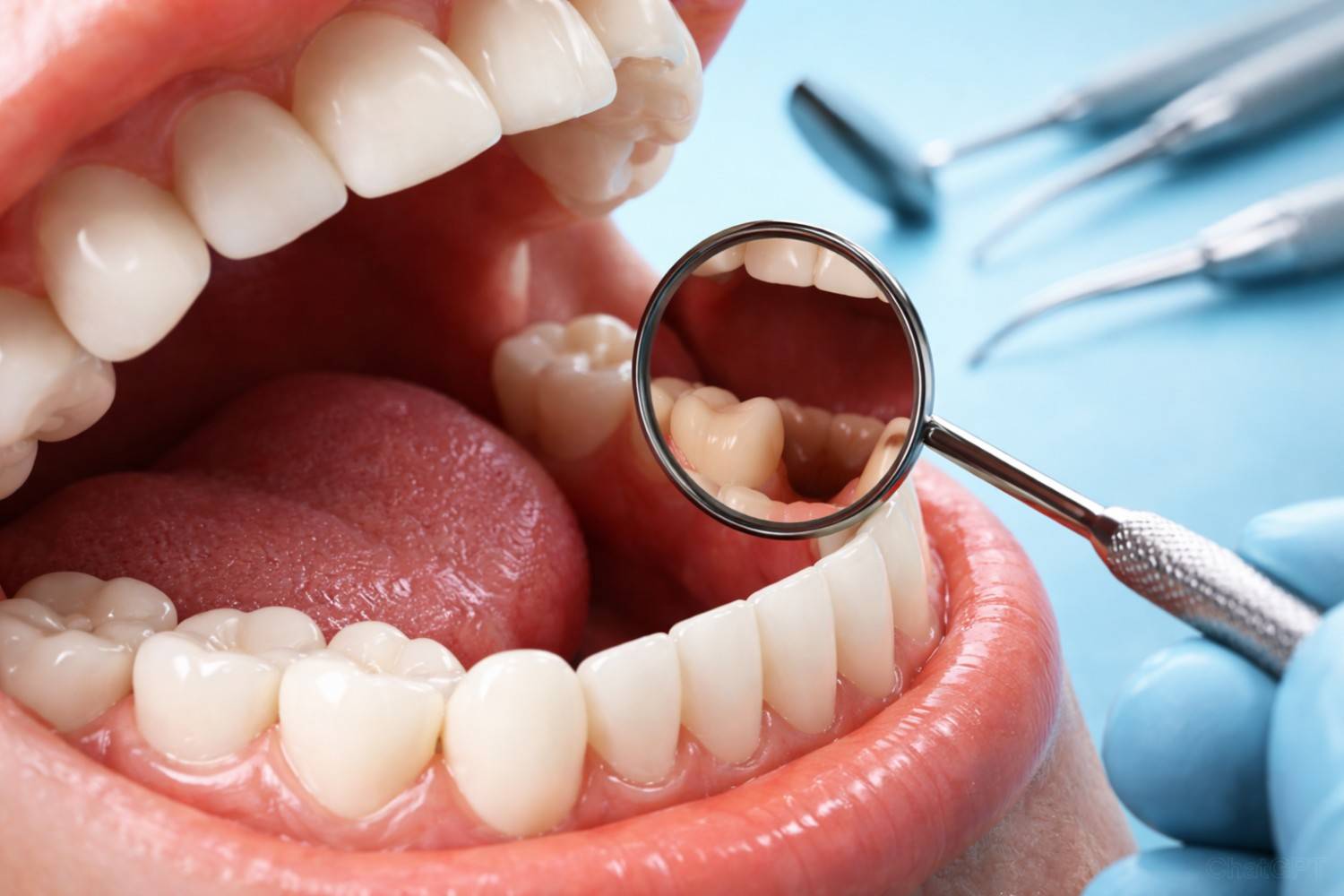
Many people assume that losing a single tooth, especially one in the back, isn’t urgent. “It doesn’t hurt,” they say, or “I can still chew just fine.” But the reality is far more complex. Even one missing tooth can disrupt your entire oral system. What happens if you don’t replace a missing tooth? The consequences go well beyond aesthetics: neighboring teeth begin to shift, jawbone starts to deteriorate, and your bite can become unbalanced leading to pain, gum disease, and even changes in facial structure over time. This silent progression often goes unnoticed until significant damage has already occurred.
This guide explains the hidden risks of leaving a gap untreated and why early replacement is always the smarter, more cost-effective choice for long-term oral health.
Is It Okay to Leave a Missing Tooth Untreated? Risks Explained
Common beliefs like “It’s just a back tooth” or “I don’t need it” are dangerously misleading. Your teeth rely on each other for support, alignment, and balanced force distribution during chewing. When one is removed and not replaced, the entire dental arch becomes unstable. While you may feel no immediate pain, silent damage begins almost immediately. Within months, adjacent teeth drift, bone resorbs, and chewing forces redistribute unevenly. These changes often lead to complications that are harder and costlier to fix later. So, what happens if a tooth is not replaced? The answer lies in how your mouth compensates, often in ways that harm long-term oral health, function, and appearance.
Teeth Shifting After Tooth Loss: Why Nearby Teeth Move Into the Gap
When a tooth is lost, the empty space creates a void that nature tries to fill. Adjacent teeth gradually tilt or drift into the gap, a process known as shifting of adjacent teeth. This movement is not just cosmetic; it alters the biomechanics of your entire bite. Over time, this leads to:
- Crooked, rotated, or tilted teeth
- Loss of proper contact points between teeth
- New food traps that harbor bacteria
- Increased risk of decay on previously healthy teeth
As teeth shift out of alignment, flossing becomes less effective, and plaque accumulates in hard-to-reach areas. This sets the stage for inflammation, gum recession, and further tooth loss turning a single missing tooth consequence into a widespread oral health crisis.
How Missing Teeth Affect Alignment and Oral Hygiene
The table below outlines how different types of tooth loss lead to specific shifting patterns and hygiene challenges, helping patients understand the functional impact of even one unreplaced tooth.
| Type of Missing Tooth | Typical Shifting Pattern | Oral Hygiene Challenges |
| Lower molar | Upper opposing tooth over-erupts; lower neighbors tilt inward | Hard-to-reach areas trap food, increasing decay risk |
| Upper premolar | Adjacent teeth collapse toward the gap | Flossing becomes ineffective; gum pockets form |
| Front tooth | Visible gaps close unevenly, affecting smile symmetry | Plaque builds up along tilted edges |
| Multiple back teeth | Entire dental arch collapses inward | Chewing efficiency drops; widespread plaque buildup |
This overview demonstrates how localized tooth loss can trigger systemic oral dysfunction.
Jawbone Loss After Tooth Loss: Why Missing Teeth Cause Bone Shrinkage
One of the most serious but least visible consequences of a missing tooth is jawbone deterioration after tooth loss. The tooth root normally stimulates the surrounding bone during everyday functions like chewing and biting. This stimulation signals the body to maintain bone density. When the tooth is gone, that signal disappears. Without mechanical loading, the body reabsorbs the unused bone in a process called resorption.
Bone loss begins as early as three months after extraction. Within the first year, you can lose up to 25% of bone width in the affected area, and height continues to diminish over time. This missing tooth bone loss leads to:
- Weakened foundation for neighboring teeth, increasing their risk of mobility
- Reduced success rates for future dental implants due to insufficient bone volume
- Changes in facial contours particularly with multiple missing teeth resulting in a sunken, aged appearance
Unlike soft tissue, a lost jawbone does not regenerate on its own. Restoring it later often requires surgical bone grafting, making early tooth replacement the best strategy for preserving natural anatomy.
Bite Problems and Jaw Pain Caused by a Missing Tooth
Your bite known clinically as occlusion depends on precise alignment between upper and lower teeth. A missing tooth disrupts this equilibrium. The remaining teeth compensate by bearing extra force, leading to:
- Malocclusion: Misalignment that affects how teeth meet
- Excessive wear on enamel, especially on opposing teeth
- Muscle strain in the jaw, neck, and shoulders
- Temporomandibular joint (TMJ) dysfunction, causing chronic headaches, clicking sounds, or limited jaw movement
Even the loss of a single molar can force front teeth to handle grinding forces they’re not designed for, accelerating wear and increasing fracture risk. Over time, this imbalance can lead to chronic pain that mimics migraines or earaches often without the patient connecting it to a missing tooth.
How a Missing Tooth Increases the Risk of Gum Disease and Tooth Decay
Gaps from missing teeth create ideal environments for bacterial colonization. Food particles easily lodge in these spaces, and standard brushing often fails to clean them thoroughly. This persistent debris triggers:
- Chronic gingival inflammation around adjacent teeth
- Deepening of periodontal pockets
- Accelerated calculus (tartar) formation
- Higher susceptibility to cavities on tilted or crowded surfaces
Since gum disease is both progressive and contagious across the mouth, an untreated gap can spark a cycle of declining periodontal health turning one missing tooth into a gateway for widespread infection and further tooth loss.
Over-Eruption After Tooth Loss: When Opposing Teeth Grow Too Far
A lesser-known but significant issue is over-eruption. When a tooth is missing, the opposing tooth in the opposite jaw has nothing to bite against. As a result, it slowly extrudes or “grows” out of its socket, seeking contact. This phenomenon, also called super-eruption, can:
- Expose sensitive root surfaces, leading to thermal sensitivity
- Irritate the gums, palate, or tongue
- Create occlusal interference that disrupts normal jaw movement
- Compromise future prosthetic options
Over-erupted teeth often require crown reduction or orthodontic repositioning before a bridge or implant can be placed adding time, cost, and complexity to treatment.
What Happens If You Ignore a Missing Tooth for Years? Long-Term Effects
Delaying replacement allows problems to compound silently. Short-term effects like minor drifting evolve into irreversible damage:
- Severe jawbone deterioration after tooth loss, limiting or eliminating implant candidacy
- Multiple teeth become misaligned, rotated, or loose
- Bite dysfunction leads to chronic TMJ pain and muscle fatigue
- Facial support diminishes, altering lip support and jawline definition
- Treatment shifts from simple restoration to full-mouth rehabilitation
What might have been resolved with a single implant within months of extraction could require bone grafts, sinus lifts, orthodontics, or removable prosthetics years later.
Best Options to Replace a Missing Tooth (Implants vs Bridges vs Dentures)
Modern dentistry offers three primary solutions, each suited to different needs:
- Dental implants: Surgically placed titanium posts that mimic natural tooth roots. They preserve bone, function like real teeth, and last decades with proper care.
- Dental bridges: Fixed prosthetics anchored to adjacent prepared teeth. Ideal when implants aren’t feasible due to bone or health constraints.
- Partial dentures: Removable appliances with artificial teeth on a gum-colored base. Best for multiple missing teeth or budget-conscious patients.
All three prevent further complications but only implants halt bone loss at the source.
Why Early Tooth Replacement Is Better for Long-Term Oral Health
Acting within the first few months of tooth loss delivers significant advantages:
- Preserves natural jawbone volume and density
- Prevents shifting of adjacent teeth and over-eruption
- Maintains stable occlusion and chewing efficiency
- Avoids complex, multi-step treatments later
- Reduces overall cost and recovery time
Early intervention means simpler procedures, predictable outcomes, and long-term savings.
When Should You See a Dentist for a Missing Tooth?
Schedule a consultation if you:
- Recently had a tooth extracted and haven’t discussed replacement options
- Notice food consistently getting stuck in the gap
- Observe neighboring teeth tilting, rotating, or moving
- Experience jaw discomfort, headaches, or difficulty chewing
- Feel changes in your smile, speech, or facial fullness
A dentist can evaluate bone health, bite alignment, and recommend the most appropriate, durable solution.
Conclusion: One Missing Tooth Can Affect Your Entire Mouth
Leaving a missing tooth unreplaced may seem harmless at first, but the ripple effects are real, progressive, and often irreversible. From missing tooth consequences like bone resorption and dental drift to bite dysfunction, gum disease, and facial changes, the risks multiply over time. Replacing a tooth isn’t just about restoring a smile, it’s about protecting your entire oral ecosystem. Early evaluation ensures you preserve function, aesthetics, and long-term health with the least invasive approach.
A dental evaluation can help you choose the right replacement before complications begin. At Sasane Dental Clinic in Panvel, our team provides personalized consultations to assess your needs and recommend the most suitable, durable solution whether it’s an implant, bridge, or denture. With clinics in both Old and New Panvel, we combine advanced technology with compassionate care to help you maintain a healthy, confident smile for life. Don’t wait for problems to escalate and schedule your visit today.
FAQs About Missing Tooth Replacement
Is it necessary to replace one missing tooth?
Yes. Even one missing tooth can lead to bone loss, shifting, and bite problems.
How long can I wait before replacing a missing tooth?
Ideally, consult a dentist within 1–3 months. Bone loss begins within weeks.
Can a missing tooth cause bone loss?
Absolutely. Without root stimulation, the jawbone resorbs rapidly, a key reason for early replacement.
What happens if a back tooth is not replaced?
Back teeth bear heavy chewing forces. Their loss accelerates bone loss and causes front teeth to shift under unnatural pressure.
Can missing teeth cause jaw pain or headaches?
Yes. Uneven bite forces strain jaw muscles and joints, leading to TMJ-related pain.
What is the best option to replace a missing tooth?
Dental implants are the most durable and bone-preserving solution for most patients.
Are dental implants better than bridges?
Implants don’t require altering healthy adjacent teeth and prevent bone loss making them superior long-term.
Will my teeth shift if one tooth is missing?
Yes. Adjacent and opposing teeth will gradually move, altering your bite and smile.
Can missing teeth change face shape?
Yes. Significant bone loss from multiple missing teeth can cause facial sagging and a prematurely aged look.
Is tooth replacement painful?
Modern techniques are minimally invasive. Most patients report minimal discomfort, managed with over-the-counter pain relief.
