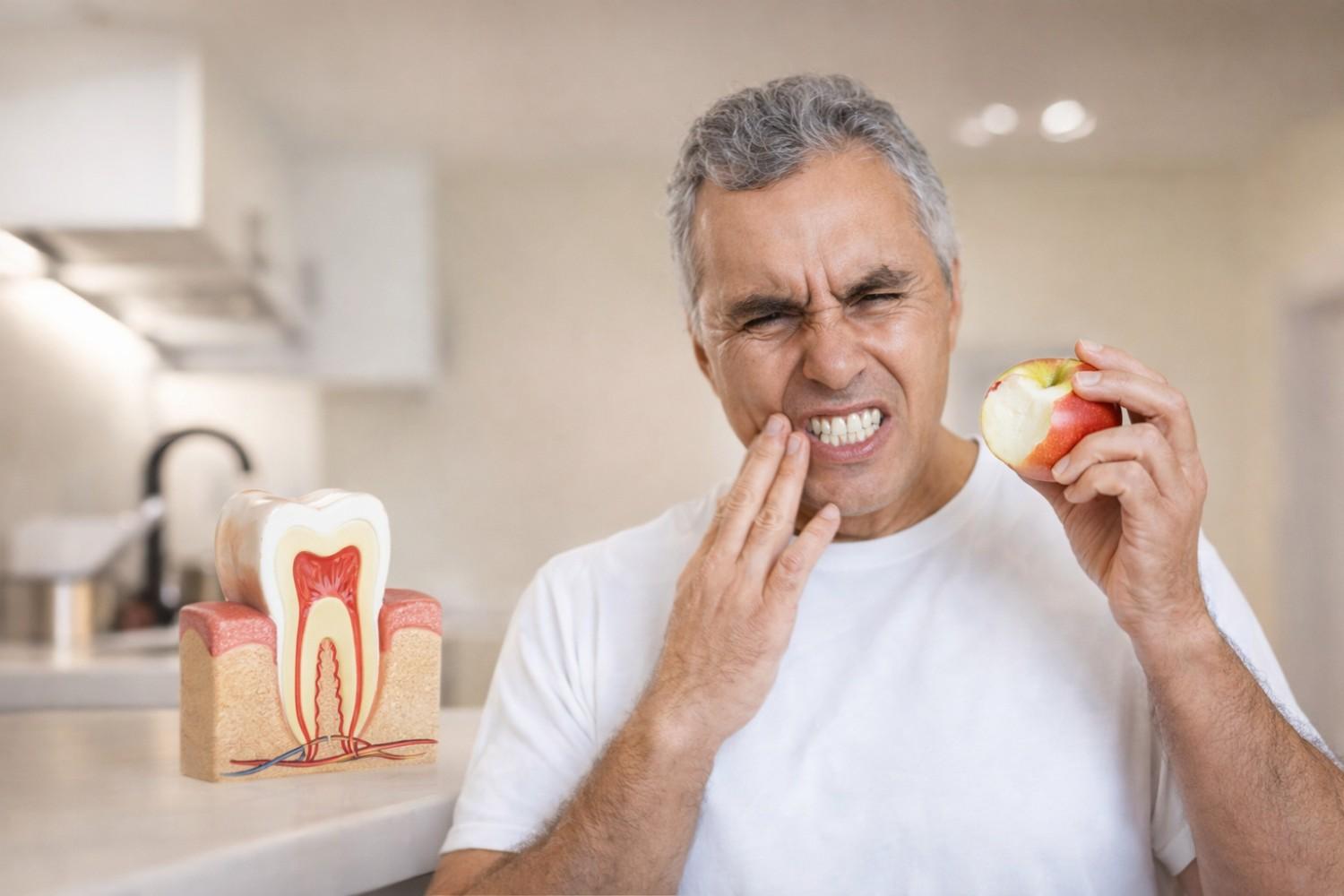
If you feel tooth pain when biting down, even on soft foods, it can be alarming. This type of pain often indicates problems such as a cracked tooth, cavity, infection, or bite misalignment. That moment of discomfort can turn a simple meal into a worrying experience. If you are asking why my tooth hurts when I bite down, you are not alone. Tooth pain when biting is a common but serious symptom that signals your tooth or surrounding tissues are under stress. This guide will help you identify what is causing your pain, manage symptoms safely at home, and know exactly when to seek professional dental care.
Top Causes of Tooth Pain When Biting Down
Tooth pain when biting down or chewing food rarely happens without a reason. Understanding the underlying cause is the first step toward effective treatment. Below are the most frequent culprits behind pain when putting pressure on tooth structures.
Cracked Tooth Syndrome: A hairline fracture in a tooth may not be visible to the eye but can cause sharp pain when biting down on tooth surfaces. The pain often appears when you release the bite, as the crack flexes and irritates the inner pulp.
Tooth Decay and Cavities: When decay penetrates the enamel and reaches the softer dentin layer, pressure from chewing can trigger discomfort. Cavity pain when biting is often accompanied by sensitivity to sweets or temperature changes.
Dental Abscess or Infection: A bacterial infection at the tooth root can cause throbbing tooth infection pain when chewing. This is often paired with swelling, fever, or a bad taste in the mouth, and requires urgent care.
Loose or Damaged Fillings and Crowns: Older restorations can weaken, crack, or become loose. When this happens, pressure from biting reaches sensitive tooth structures underneath, causing one tooth to hurt when biting scenarios.
Bruxism (Teeth Grinding): Chronic clenching or grinding wears down enamel and stresses tooth roots. This can lead to generalized tooth sensitivity when biting, especially upon waking.
Gum Disease and Receding Gums: Periodontitis or gingival recession exposes tooth roots, which lack protective enamel. This exposure can cause tooth sensitivity to pressure when biting, even when hot or cold foods do not cause discomfort.
Misaligned Bite (Malocclusion): When teeth do not meet properly, excessive force concentrates on specific teeth. This can cause sudden pain when biting down on tooth surfaces that bear uneven pressure.
Sinus Pressure: The roots of upper back teeth sit close to the sinus cavities. Congestion or sinus infection can create referred pain that feels like tooth pain when chewing, even when the teeth themselves are healthy.
Dentin Hypersensitivity: When the dentin layer becomes exposed due to enamel wear or gum recession, pressure triggers fluid movement in microscopic tubules, causing sharp, brief pain. This is a common cause of tooth hurts when I bite but no cavity is visible.
What Different Types of Tooth Pain When Biting Mean
Not all tooth pain feels the same. The type, timing, and triggers of your discomfort provide valuable clues about the underlying issue. If you experience sharp pain when biting down on tooth surfaces or pressure pain when biting tooth areas, this guide helps you interpret your symptoms. This table maps common pain descriptions to probable causes and recommended next steps.
| Pain Type | Likely Cause | Key Clue | Action |
| Sharp pain on bite release | Cracked tooth | Pain vanishes after releasing pressure | Avoid chewing on that side; see dentist |
| Dull ache with swelling | Dental abscess | Fever, bad taste, gum swelling | Seek urgent dental care |
| Pressure-only sensitivity | Dentin hypersensitivity | No hot/cold sensitivity | Use desensitizing toothpaste; schedule exam |
| Multiple upper teeth pain | Sinus pressure | Nasal congestion present | Treat sinus; see dentist if pain persists |
| Pain after recent filling | High bite | Tooth feels “taller” when biting | Return to dentist for bite adjustment |
| Generalized chewing sensitivity | Bruxism or gum recession | Jaw soreness or worn enamel | Discuss night guard; improve oral hygiene |
| Pain with visible hole | Cavity/decay | Sensitivity to sweets or temperature | Schedule filling appointment promptly |
Tooth Hurts When Biting but No Cavity? Possible Reasons
Many patients report tooth hurts when I bite but no cavity is found during a visual exam. This frustrating scenario has several plausible explanations that require professional diagnosis.
Hidden Cracks: Small fractures may not show on X-rays or visual inspection. Dentists use special lights, dyes, or bite tests to detect these subtle cracks that cause pain when biting on tooth surfaces.
Dentin Exposure Without Decay: Enamel erosion from acidic foods, aggressive brushing, or acid reflux can expose dentin without causing a cavity. This leads to tooth sensitivity when biting even when the tooth structure appears intact.
Referred Pain from Jaw or Sinus: Temporomandibular joint (TMJ) disorders or sinus inflammation can create pain that feels dental in origin. This explains pain when biting on a tooth but is not sensitive to cold scenarios.
Occlusal Trauma: An uneven bite can place excessive force on a single tooth, causing inflammation in the ligament that holds the tooth in place. This results in tooth hurts when biting but not all the time, depending on bite angle.
Early Pulp Inflammation: The inner pulp tissue can become irritated before decay is visible. This may cause pressure pain when biting tooth areas while temperature sensitivity remains absent.
If you experience these symptoms, do not assume the problem will resolve on its own. A dental professional can use diagnostic tools to identify the true source of your discomfort.
Tooth Pain When Biting After Filling or Dental Work: Is It Normal?
It is common to experience some tooth pain when biting after filling placement or crown cementation. However, knowing the difference between normal adjustment and a complication is essential.
Normal Post-Procedure Sensitivity: Mild discomfort for a few days after dental work is typical. The tooth and surrounding tissues need time to settle. This usually improves with over-the-counter pain relief and avoiding hard foods on that side.
High Bite or Improper Fit: If a filling or crown is slightly too tall, it bears excessive force when you bite. This causes sharp pain when biting down on tooth surfaces and can lead to further irritation if not adjusted.
Pulp Irritation: Deep fillings can temporarily irritate the tooth pulp. If sensitivity persists beyond two weeks or worsens, it may indicate the need for further treatment like a root canal.
Loose Restoration: A filling or crown that has not fully bonded can shift under pressure, causing pain when chewing on tooth areas. This requires prompt re-cementation or replacement.
If your tooth hurts when biting after filling and the discomfort does not improve within a week, contact your dentist for an evaluation. Early adjustment prevents more complex problems.
When to See a Dentist Immediately: Red-Flag Symptoms
While some tooth sensitivity can be managed temporarily at home, certain signs indicate the need for urgent professional care. Seek immediate dental attention if you experience:
- Sharp or persistent tooth pain when biting that does not improve with rest
- Swelling in your gums, face, or jaw
- Fever, chills, or a foul taste in your mouth
- A visible crack, chip, or broken tooth
- Pus or drainage near a painful tooth
- Difficulty opening your mouth or swallowing
These symptoms may indicate dental abscess pain when biting or a spreading infection that requires prompt treatment to prevent complications.
How to Relieve Tooth Pain When Biting at Home (Temporary Relief)
While waiting to see a dentist, these evidence-based steps can help manage tooth hurts when chewing food symptoms safely.
- Rinse with Warm Salt Water: Mix half a teaspoon of salt in a cup of warm water. Swish gently for 30 seconds to reduce inflammation and cleanse the area.
- Use Over-the-Counter Pain Relief: Ibuprofen or acetaminophen can temporarily reduce pain and inflammation. Follow package instructions and consult a pharmacist if you have health conditions.
- Avoid Trigger Foods: Steer clear of hard, crunchy, very hot, or very cold items. Chew on the opposite side of your mouth to minimize pressure on the sensitive tooth.
- Apply a Cold Compress: If swelling is present, place a cold pack wrapped in a cloth on the outside of your cheek for 15 minutes at a time.
- Use Desensitizing Toothpaste: For tooth sensitivity when biting due to exposed dentin, apply a small amount of desensitizing toothpaste directly to the sensitive area before bed.
Important Safety Notes: Do not place aspirin directly on gums or teeth, as this can cause chemical burns. Avoid using sharp objects to probe the painful area. These temporary measures are not substitutes for professional diagnosis and treatment.
How Dentists Treat Tooth Pain When Biting
A dentist will use clinical examination, X-rays, and specialized tests to determine the exact cause of your tooth pain when chewing. Treatment is tailored to the underlying issue. This table outlines common causes and their corresponding professional solutions.
| Cause | Diagnosis | Treatment | Timeline |
| Cracked Tooth | Bite test, X-rays | Bonding, crown, or root canal | Days to weeks |
| Cavity/Decay | Visual exam, X-rays | Filling, inlay, or crown | 1-2 visits |
| Dental Abscess | Exam, X-rays, vitality test | Drainage, root canal, or extraction | Immediate relief; weeks to heal |
| Loose Filling/Crown | Visual inspection, bite check | Re-cementation or replacement | Same-day adjustment |
| Dentin Hypersensitivity | Exclude other causes | Desensitizing agents, fluoride varnish | Immediate to gradual |
| Bruxism | Wear patterns, history | Custom night guard, bite adjustment | Relief within days |
| Gum Disease/Recession | Probing, X-rays | Scaling, root planing, or grafting | Weeks to months |
| Sinus-Related Pain | Medical history, sinus eval | Sinus treatment; dental care if needed | As sinus symptoms resolve |
How to Prevent Tooth Pain When Biting in the Future
Preventing tooth pain when biting starts with proactive oral care and healthy habits. These strategies protect your teeth and gums from common causes of pressure-related discomfort.
- Practice Gentle, Effective Brushing: Use a soft-bristled toothbrush and fluoride toothpaste. Brush twice daily with gentle, circular motions to avoid enamel wear and gum recession.
- Floss Daily: Cleaning between teeth removes plaque that brushing misses, preventing decay and gum disease that can lead to tooth sensitivity when biting.
- Wear a Night Guard if You Grind: If you clench or grind your teeth, a custom-fitted night guard protects enamel and reduces stress on tooth roots.
- Limit Acidic and Sugary Foods: Acidic drinks and sugary snacks erode enamel and feed decay-causing bacteria. Rinse with water after consuming them.
- Attend Regular Dental Checkups: Professional cleanings and exams catch small problems before they become painful. Early intervention is simpler and less costly.
- Address Sinus and Allergy Issues: Managing chronic sinus congestion reduces referred pain to upper teeth. Consult your physician for persistent sinus symptoms.
- Avoid Using Teeth as Tools: Never open packages or bite hard objects with your teeth. This prevents cracks and fractures that cause sharp pain when biting down on tooth surfaces.
Conclusion: Take Control of Your Dental Comfort
Experiencing tooth pain when biting is your body’s signal that something needs attention. While temporary measures can provide short-term relief, lasting solutions require accurate diagnosis and professional care. Ignoring persistent discomfort risks worsening decay, infection, or tooth loss.
By understanding the common causes, recognizing warning signs, and taking proactive steps toward prevention, you protect your smile and your overall health. Regular dental visits, gentle oral hygiene, and prompt attention to new symptoms form the foundation of lifelong oral comfort.
If you are dealing with tooth hurts when I bite down on symptoms that do not resolve with home care, do not wait for the pain to intensify. Timely professional evaluation makes all the difference in preserving your tooth and restoring your comfort. For compassionate, expert dental care tailored to your needs, trust the experienced dentists at Sasane Dental Clinic for accurate diagnosis and effective treatment. Their thorough diagnostics and personalized treatment plans help patients find lasting relief from tooth pain when biting and achieve optimal oral health.
FAQs About Tooth Pain When Biting Down
Why does my tooth hurt when I bite down?
Tooth pain when biting typically occurs when pressure irritates exposed dentin, a cracked tooth structure, an infected pulp, or inflamed gum tissues. A dental professional can identify the exact cause through examination and imaging.
What does it mean if one tooth hurts when biting?
Pain isolated to a single tooth often indicates a localized issue such as a crack, cavity, loose restoration, or abscess. This warrants prompt evaluation to prevent the problem from worsening.
Why does my tooth hurt when I bite but no cavity is visible?
Hidden cracks, dentin hypersensitivity, gum recession, or bite misalignment can cause pressure pain without visible decay. Specialized dental tests are often needed to diagnose these conditions.
Is sudden pain when biting down on a tooth an emergency?
Sudden, severe pain accompanied by swelling, fever, or difficulty swallowing requires urgent dental care. For mild, intermittent discomfort, schedule an appointment within a few days.
How can I tell if my tooth pain when biting is from grinding?
Pain from bruxism often affects multiple teeth, is worse upon waking, and may be paired with jaw soreness or headaches. A dentist can confirm grinding through wear patterns and discuss night guard options.
What should I do if my tooth hurts when biting after a filling?
Mild sensitivity for a few days is normal. If pain persists beyond a week, feels sharp, or the tooth feels “high,” return to your dentist for a bite adjustment or further evaluation.
Can gum pain when biting be treated at home?
Temporary relief is possible with saltwater rinses and OTC pain relief, but gum pain when biting often signals periodontitis or recession that requires professional cleaning or treatment.
When should I stop trying home remedies and see a dentist?
If pain lasts more than two days, worsens, or is accompanied by swelling, fever, or visible damage, seek professional care immediately. Early treatment prevents complications and preserves tooth health.
Can a cracked tooth cause pain when biting down?
Yes. Even a small crack can flex under pressure and irritate the tooth pulp, causing sharp pain when biting or releasing pressure.
Why does my tooth hurt when I chew on one side?
Pain when chewing on one side often indicates a cracked tooth, cavity, loose filling, or bite imbalance that places excessive pressure on a single tooth.
