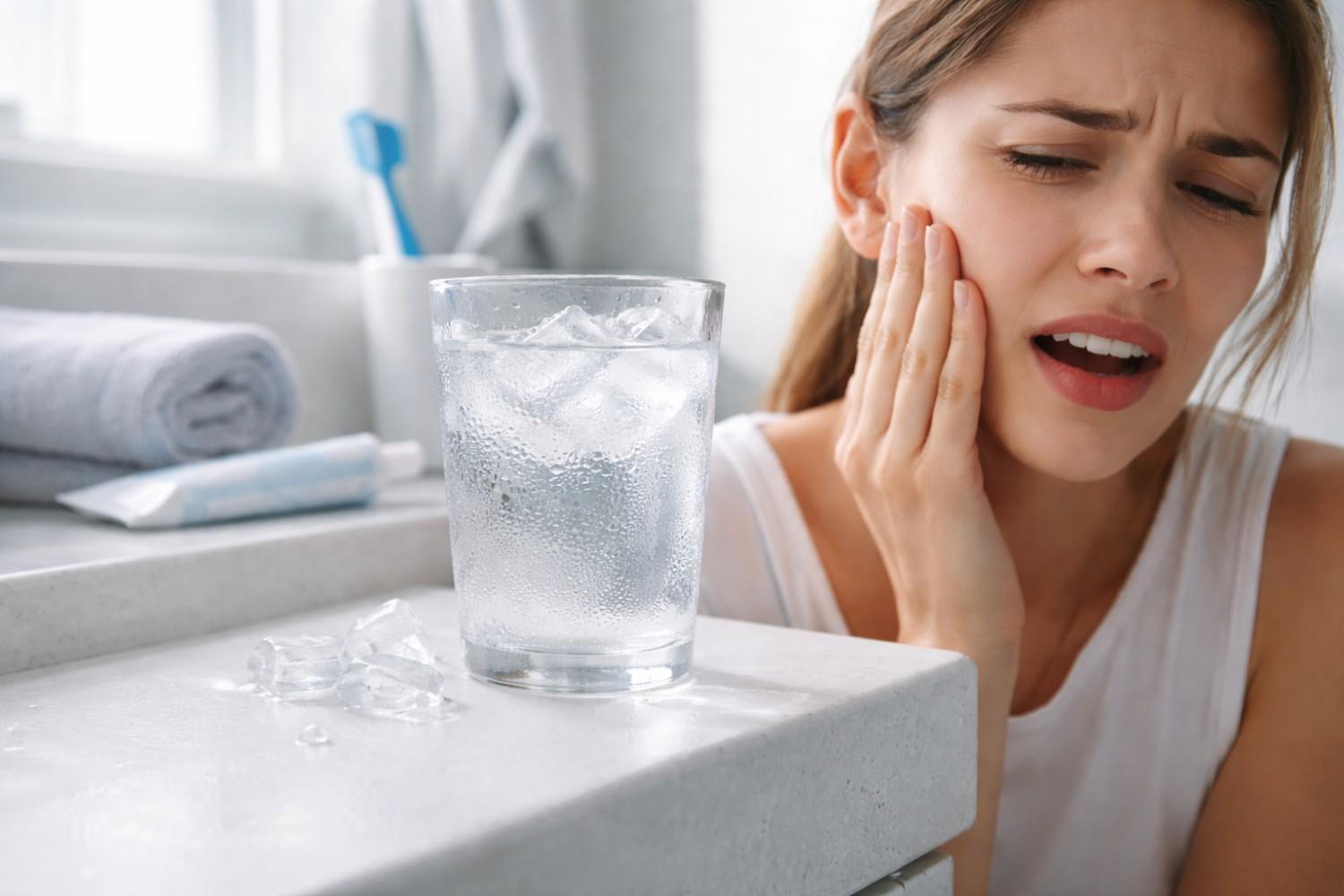
That sharp, sudden sting when cold water touches your tooth can be surprising and uncomfortable. If you’re wondering, why does my tooth hurt when I drink cold water suddenly, the most common reason is exposed dentin or enamel wear. This allows cold temperatures to reach the sensitive inner nerve of your tooth, causing a quick, sharp sensation.
If you’ve noticed sudden sensitivity to cold drinks or a specific tooth reacting to cold water, it’s often a sign that your tooth’s protective layer has weakened. The good news is that most causes are treatable once identified. In this guide, you’ll learn the exact reasons behind this sensitivity, how to get quick relief, and when to seek professional dental care.
Why Does My Tooth Hurt When I Drink Cold Water Suddenly? (Quick Answer)
Tooth pain from cold water is usually caused by:
- Exposed dentin (inner tooth layer becoming unprotected)
- Enamel erosion (loss of the protective outer layer)
- Gum recession (exposing sensitive tooth roots)
- Cavities or tooth decay
- Cracked or damaged teeth
These conditions allow cold temperatures to directly stimulate the tooth nerve, leading to sudden sharp pain.
What Is Happening Inside Your Tooth? The Science of Dentin Hypersensitivity
To understand tooth sensitivity to cold water causes, it helps to know basic tooth anatomy. Your tooth has three distinct layers. The outer enamel is a hard, protective shield made of minerals. Beneath it lies dentin, a softer, porous layer filled with thousands of microscopic tubules that lead directly to the tooth’s nerve center, the pulp. When enamel wears down or gums recede, dentin becomes exposed. Cold liquid triggers a rapid fluid shift inside these tubules, stimulating the nerve and causing that familiar sharp pain in the tooth when drinking cold water. This process is medically known as dentin hypersensitivity.
The reason why does cold water hurt my teeth all of a sudden often ties to a recent change in your oral environment. Perhaps you started a new whitening product, switched to a harder toothbrush, or increased your intake of acidic beverages. These seemingly small shifts can tip the balance and expose sensitive dentin. Understanding dentin hypersensitivity empowers you to make informed choices about your daily habits and oral care routine.
Tooth Sensitivity to Cold Water: Common Causes You Should Know
Sudden tooth sensitivity to cold drinks rarely appears without reason. Identifying the trigger is essential for effective treatment. The table below outlines the most frequent causes, how they lead to sensitivity, and specific signs to help you recognize them.
Cause | How It Leads to Sensitivity | Key Signs to Notice |
| Enamel Erosion | Acidic foods, drinks, or aggressive brushing wear down the protective outer layer, exposing dentin. | Teeth appear thinner or yellowish, rounded edges, sensitivity to sweets or acids as well. |
| Gum Recession | Gums pull away from the tooth, exposing the root surface which lacks enamel protection. | Teeth look longer, notches near gumline, tenderness when brushing or flossing. |
| Tooth Decay (Cavities) | Holes in the enamel allow cold to reach the inner dentin and nerve more easily. | Visible pits or dark spots, pain when chewing, sensitivity that lingers after cold is removed. |
| Cracked or Fractured Tooth | Microscopic cracks provide a direct pathway for cold to stimulate the tooth nerve. | Pain when biting or releasing pressure, sensitivity that comes and goes, hard to locate exact tooth. |
| Tooth Grinding (Bruxism) | Constant pressure wears enamel thin and can create tiny fractures in teeth over time. | Jaw soreness upon waking, flattened tooth surfaces, headaches, audible grinding. |
| Recent Dental Work | Procedures like cleanings, fillings, or whitening can cause temporary inflammation of the pulp. | Sensitivity starting within days of a dental visit, usually improves within 1-3 weeks. |
| Acidic Diet | Frequent exposure to acids softens and dissolves enamel, accelerating exposure of dentin. | Generalized sensitivity across multiple teeth, especially after consuming acidic items. |
Why Is Only One Tooth Sensitive to Cold Water? Causes & Warning Signs
A frequent concern is why does one tooth hurt with cold water or why is only one tooth sensitive to cold. When sensitivity is isolated to a single tooth, it often points to a localized issue rather than a generalized condition. A small cavity, a hairline crack, or a filling that has become loose can affect just one tooth. Gum recession may also be more pronounced in one area due to brushing habits, past trauma, or orthodontic movement.
Exposed tooth nerve symptoms often include sharp, localized pain that subsides quickly once the cold stimulus is removed. However, if the pain lingers, throbs, or occurs spontaneously without a trigger, it could indicate deeper nerve involvement such as pulpitis or an abscess. Cracked tooth sensitivity to cold is particularly tricky because the fracture may not be visible to the naked eye. Dentists use specialized tools like transillumination or dye tests to identify these hidden cracks. If you notice one tooth reacting differently to cold, do not assume it will resolve on its own. Early evaluation prevents minor issues from becoming complex treatments.
Is It Normal for Teeth to Hurt With Cold Water? When to Worry
Many people wonder, is it normal for teeth to hurt with cold water? Occasional, brief sensitivity is common and often manageable with changes to your oral care routine. However, it is not a condition you should ignore long-term. Persistent or severe pain is your tooth’s signal that something needs attention.
While mild sensitivity may resolve with consistent care, ongoing discomfort warrants a professional assessment to rule out underlying problems like decay, infection, or structural damage. The key distinction lies in duration and intensity. Pain that lasts only a few seconds after the cold stimulus is removed is typically less concerning than pain that lingers for 30 seconds or more, which may indicate pulp involvement.
How to Stop Tooth Pain from Cold Water Instantly (Home Remedies That Work)
If you are searching for how to stop tooth pain from cold water, several effective home remedies for cold sensitive teeth can provide relief. These strategies focus on protecting exposed dentin, calming nerve irritation, and preventing further enamel loss. Consistency is crucial; most home approaches require two to four weeks of regular use to show noticeable improvement.
Use a toothpaste for sensitive teeth
Look for formulations containing potassium nitrate or stannous fluoride. These ingredients block pain signals from the tooth surface to the nerve. Apply a pea-sized amount to a soft brush and gently clean teeth twice daily. For faster relief, dab a small amount directly on the sensitive spot before bed and do not rinse.
Switch to a soft-bristled toothbrush
Hard bristles and aggressive brushing accelerate enamel wear and gum recession. Replace your current brush with one labeled “soft” or “extra soft.” Use gentle, circular motions at a 45-degree angle to the gumline. Replace your brush every three months.
Add a fluoride mouthwash to your routine
Fluoride strengthens enamel through remineralization and can help seal microscopic openings in dentin. Rinse once daily with an alcohol-free, fluoride-containing mouthwash. Do not eat or drink for 30 minutes after use to maximize absorption.
Use a straw for cold beverages
This simple habit minimizes direct contact between cold liquids and sensitive tooth surfaces. Position the straw toward the back of your mouth to bypass front teeth.
Reduce acidic foods and drinks
Citrus, soda, wine, sports drinks, and vinegar-based foods soften enamel over time. Limit intake and rinse your mouth with water after consumption. Wait 30 minutes before brushing to avoid brushing softened enamel.
Wear a night mouthguard if you grind your teeth
Grinding or clenching wears enamel and creates microfractures. A custom-fitted or boil-and-bite mouthguard protects teeth during sleep and reduces sensitivity triggers.
Try an over-the-counter desensitizing gel
These gels provide a concentrated dose of sensitivity-relieving ingredients. Apply to clean, dry teeth before bed following package instructions. Most require consistent use for 2-4 weeks.
How to Fix Sensitive Teeth From Cold Water: A Simple Action Plan
If you want to know how to fix sensitive teeth from cold water, follow this phased approach for best results.
- Weeks 1-2: Foundation Care
Switch to a toothpaste for tooth sensitivity (India) that carries the Indian Dental Association seal. Use a soft-bristled brush and gentle technique. Add a fluoride mouthwash to your evening routine. Track your sensitivity in a simple journal. - Weeks 3-4: Habit Adjustment
Identify and reduce acidic triggers in your diet. Use a straw for cold drinks. If you suspect grinding, try an over-the-counter night guard. Continue your updated oral care routine consistently. - Weeks 5-6: Evaluation
Assess your progress. If sensitivity has decreased significantly, maintain your new habits. If improvement is minimal or symptoms worsen, it is time to consult a dental professional.
This method addresses how to fix sensitive teeth from cold water without overwhelming your routine. Patience and consistency are essential because enamel remineralization and nerve calming take time.
Professional Treatments: The Best Treatment for Tooth Sensitivity to Cold
When home strategies are not enough, the best treatment for tooth sensitivity to cold may involve in-office procedures. Modern dentistry offers several effective options for cold water sensitivity teeth treatment, tailored to the specific cause identified during your examination.
| Professional Treatment | Best For | What to Expect |
| In-Office Fluoride Varnish | Generalized sensitivity, early enamel erosion | Quick, painless application of high-concentration fluoride. Takes minutes, no downtime. May need reapplication every 3-6 months. |
| Desensitizing Bonding Agents | Localized sensitivity, exposed root surfaces | Tooth-colored resin painted onto sensitive areas and hardened with a light. Provides immediate barrier protection. |
| Gum Grafting | Significant gum recession tooth sensitivity | Minor surgical procedure where tissue covers exposed roots. Healing takes 1-2 weeks. Long-term solution for recession-related sensitivity. |
| Dental Restorations (Fillings, Crowns) | Cracked tooth sensitivity to cold, cavities, worn enamel | Damaged area removed and replaced with tooth-colored filling or custom crown. Restores function and eliminates sensitivity. |
| Root Canal Therapy | Severe, lingering pain indicating pulp damage | Inflamed or infected nerve tissue removed, canal cleaned and sealed. Crown usually placed afterward. Highly effective for eliminating nerve pain. |
Your dentist will recommend the most appropriate option based on a thorough examination of your specific dentin hypersensitivity causes. Many treatments can be completed in a single visit with minimal discomfort.
When to See a Dentist for Cold Tooth Sensitivity
Not all sensitivity requires emergency care, but knowing when to seek help is crucial. Schedule a dental visit if your tooth hurts when drinking cold water suddenly and the pain lasts more than 30 seconds, is severe, or occurs without any trigger. These could be signs of a cracked tooth, advanced decay, or an infection. Similarly, if home care does not improve your symptoms within two to three weeks of consistent use, professional evaluation is recommended. A dentist can accurately diagnose whether your sensitivity stems from a simple case of enamel erosion or a more complex issue like an exposed tooth nerve requiring targeted intervention.
Take the Next Step Toward a Comfortable, Confident Smile
Persistent tooth sensitivity should not limit your enjoyment of daily life. While home care can manage mild cases, accurate diagnosis is key for lasting relief. If your discomfort continues or you are unsure about the cause, a professional evaluation can provide clarity and a personalized treatment plan. At Sasane Dental Clinic, our experienced team specializes in diagnosing and treating tooth sensitivity with compassionate, evidence-based care. We use modern diagnostic tools to identify the root cause of your discomfort, whether it is dentin hypersensitivity causes, enamel erosion symptoms, or gum recession tooth sensitivity. From personalized home care guidance to advanced in-office treatments, we create a clear path to a healthier, more comfortable smile. Reach out to Sasane Dental Clinic today to schedule a consultation and take the first step toward enjoying your favorite cold drinks without pain. Your comfort and oral health are our priority.
FAQs on Tooth Pain When Drinking Cold Water
Why does my tooth hurt when I drink cold water suddenly?
Sudden tooth pain from cold water usually happens when exposed dentin tubules allow temperature changes to stimulate the tooth nerve, often due to enamel wear or gum recession.
Is sudden tooth sensitivity to cold water a sign of a cavity?
Yes, sudden sensitivity can signal a cavity, as decay creates openings that let cold reach the sensitive inner layers of your tooth.
Why is only one tooth sensitive to cold water?
One tooth may react to cold because of a localized issue like a small cavity, hairline crack, loose filling, or isolated gum recession affecting just that tooth.
Can tooth sensitivity to cold go away on its own?
Mild sensitivity from minor enamel erosion or recent dental work may improve with consistent home care, but sensitivity from decay or cracks usually needs professional treatment.
How do I stop tooth pain when drinking cold water?
Use a toothpaste for sensitive teeth, switch to a soft-bristled brush, avoid acidic foods, and see a dentist if pain persists beyond a few weeks.
What causes sharp pain in teeth when drinking cold drinks?
Sharp pain occurs when cold triggers fluid movement in exposed dentin tubules, stimulating the nerve due to enamel loss, gum recession, or tooth damage.
Is it normal for teeth to hurt with cold water?
Occasional brief sensitivity is common, but persistent or severe pain is not normal and should be evaluated by a dentist to rule out underlying issues.
When should I see a dentist for cold-sensitive teeth?
See a dentist if pain lasts more than 30 seconds, is severe, occurs without triggers, or does not improve after 2-3 weeks of consistent home care.
What are the best treatments for tooth sensitivity to cold?
Effective treatments include fluoride varnish, desensitizing agents, gum grafts for recession, restorations for cracks or cavities, or root canal therapy for severe nerve damage.
Can enamel erosion cause pain when drinking cold water?
Yes, enamel erosion exposes the sensitive dentin layer, allowing cold to stimulate the nerve and cause pain when drinking cold water.
