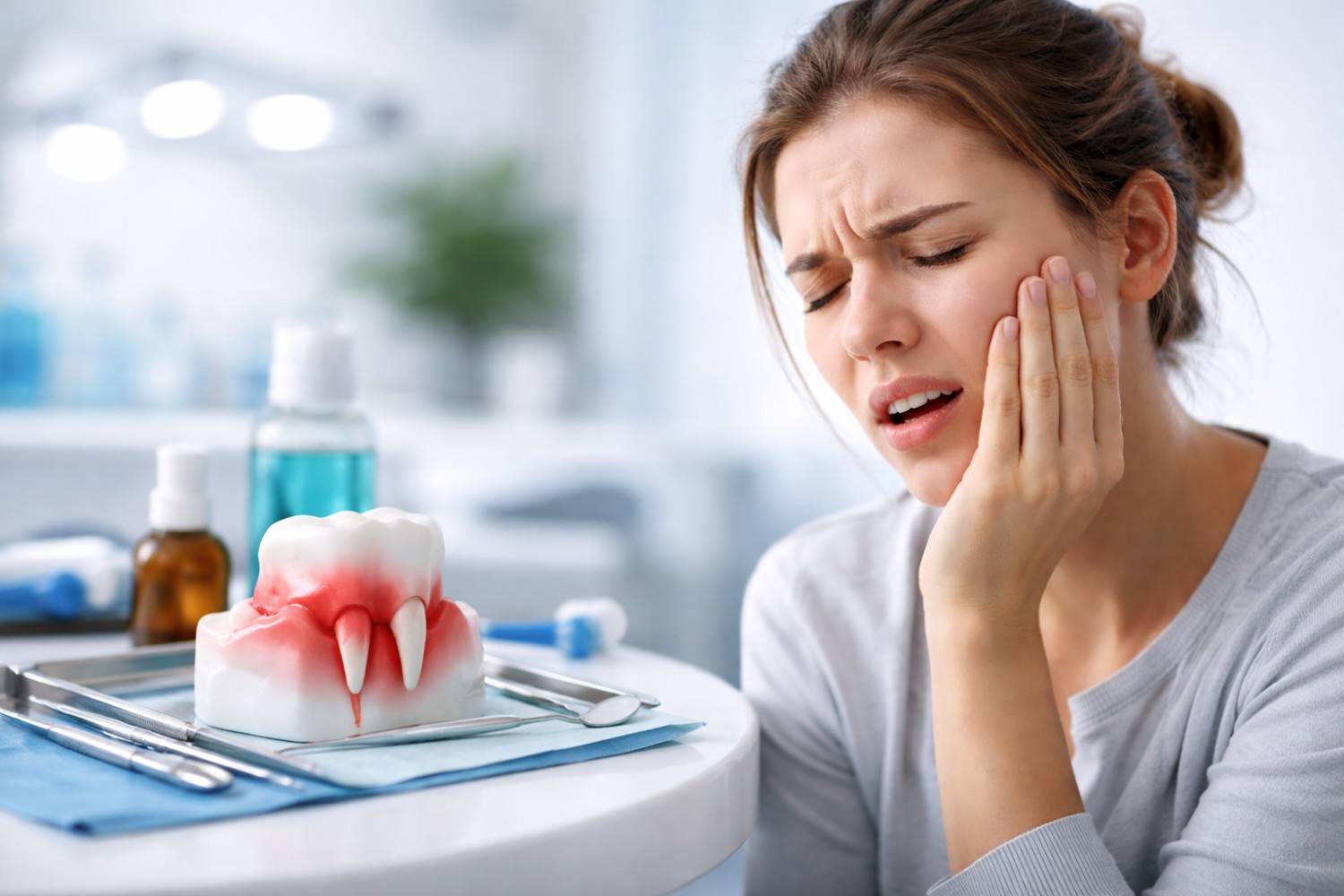
Tooth pain is considered an emergency when it is severe, persistent, or occurs with swelling, fever, or trauma. If you’re wondering when is tooth pain an emergency, the answer depends on specific warning signs that indicate infection, nerve damage, or injury that cannot wait.
That sudden, sharp ache in your tooth can strike at any moment. While not every toothache requires immediate care, understanding the difference between manageable discomfort and a true dental emergency is essential. Acting early can prevent complications and protect your overall oral health. In this guide, you’ll learn how to identify serious symptoms, what to do immediately, and when to seek urgent dental care.
When Is Tooth Pain an Emergency? (Quick Answer)
Tooth pain is an emergency if you have:
- Severe, persistent pain that doesn’t improve
- Swelling in the face, jaw, or gums
- Fever or signs of infection (pus, bad taste)
- Uncontrolled bleeding from the mouth
- Trauma such as a broken or knocked-out tooth
These symptoms indicate a serious dental issue that requires immediate professional care.
How Do I Know If My Tooth Pain Is Serious?
Tooth pain varies widely in intensity and cause. Mild sensitivity to hot or cold foods often stems from enamel thinning or gum recession and can typically wait for a scheduled dental visit. However, when pain becomes persistent, sharp, or throbbing, it may indicate a deeper issue requiring prompt attention.
Use this simple framework to assess your symptoms:
- Mild sensitivity: Brief discomfort triggered by temperature or sweets. Usually manageable with sensitive toothpaste and a dental checkup within a few weeks.
- Dull, constant ache: May signal teeth grinding, bite issues, or early decay. Schedule a dentist visit if it lasts more than two days.
- Sharp, sudden pain: Often points to a cracked tooth, advanced decay reaching the nerve, or an emerging infection. Do not ignore this type of pain.
- Throbbing pain: A rhythmic, pulsing ache frequently indicates an abscess or serious infection needing immediate evaluation.
If you are asking how do i know if my tooth pain is serious, focus on three key factors: duration, intensity, and accompanying symptoms. Pain that worsens over time, disrupts sleep, or appears with swelling, fever, or pus requires urgent assessment. Trust your instincts. If something feels wrong, it is better to seek professional guidance than to wait and risk complications.
Tooth Pain Emergency Symptoms: Warning Signs That Need Immediate Care
Certain symptoms clearly indicate that tooth pain needs urgent care. If you experience any of the following, contact a dentist immediately or seek emergency medical attention if your dentist is unavailable.
If you are wondering about tooth pain emergency symptoms or signs that tooth pain is serious, this reference table outlines the critical warning signs that require immediate action.
| Warning Sign | What It May Indicate | Why It Needs Urgent Care |
| Intense, throbbing pain that won’t subside | Abscess, severe infection, or nerve damage | Infections can spread to jaw, neck, or bloodstream if untreated, leading to serious health risks |
| Swelling in face, jaw, or gums | Serious infection reaching deeper tissues | Swelling can compromise breathing or swallowing in severe cases; swollen face tooth infection emergency requires immediate attention |
| Fever combined with tooth pain | Body fighting a dental infection | Fever signals systemic involvement requiring prompt treatment to prevent complications |
| Pus or foul taste near a tooth | Dental abscess requiring drainage | Untreated abscesses can lead to serious health complications; abscess tooth emergency signs should never be ignored |
| Uncontrolled bleeding from mouth | Trauma, severe gum disease, or post-procedure complication | Persistent bleeding needs professional evaluation to prevent blood loss or infection |
| Loose, cracked, or knocked-out tooth | Trauma or advanced decay | Quick action can sometimes save the tooth and prevent further damage; time is critical for successful re-implantation |
| Pain that keeps you awake at night | Advanced decay, infection, or nerve exposure | Sleep-disrupting pain indicates severity requiring professional intervention; tooth pain at night emergency situations often signal progression |
When to Go to ER for Tooth Pain vs Dentist (What to Do & Where to Go)
Knowing when to go to ER for tooth pain versus contacting your dentist helps you get the right care quickly. Most dental emergencies are best handled by a dentist, as they have specialized tools and expertise for tooth pain emergency symptoms. However, certain situations warrant an emergency room visit.
Go to the ER immediately if you experience:
- Swelling that makes it difficult to breathe or swallow. This is a critical sign of serious tooth infection that has spread beyond the oral cavity.
- High fever with facial swelling and confusion. These systemic symptoms indicate the infection may be affecting your whole body.
- Uncontrolled bleeding that does not slow with gentle pressure. Persistent bleeding requires medical evaluation to prevent complications.
- Trauma involving jaw fracture or severe facial injury. These injuries need imaging and stabilization that only a hospital can provide.
Call your dentist or an emergency dental service if you have:
- Severe toothache without breathing or swallowing difficulties. This answers when should i go to dentist for tooth pain for most common emergency scenarios.
- Visible abscess or pus near a tooth. Dental professionals can drain the abscess and prescribe targeted antibiotics.
- Knocked-out or loose tooth from trauma. Dentists have specialized techniques for re-implantation or stabilization.
- Lost filling or crown causing significant pain. Temporary or permanent restorations can be placed promptly.
- Tooth pain emergency symptoms that disrupt daily activities. If pain prevents eating, working, or sleeping, professional care is warranted.
If you are unsure, contact your dentist first. Many dental offices offer emergency slots or after-hours guidance for urgent situations. When in doubt, it is always safer to seek evaluation than to wait.
Tooth Pain at Night or That Won’t Go Away: Is It an Emergency?
Tooth pain at night emergency situations are common because lying down increases blood flow to the head, intensifying pressure on an inflamed tooth nerve. If throbbing tooth pain emergency symptoms wake you from sleep or prevent rest, it often signals an advanced issue like an abscess or exposed nerve.
Similarly, tooth pain that won’t go away despite over-the-counter pain relief suggests the problem is progressing. Sudden tooth pain emergency scenarios, such as a sharp sting when biting or spontaneous aching, may indicate a cracked tooth or rapid infection development. Unbearable tooth pain what to do questions often arise when home remedies fail. In these cases, the pain itself is a message: your body needs professional evaluation to identify and address the root cause.
Sharp tooth pain emergency situations deserve particular attention. A sudden, stabbing sensation when chewing or exposed to temperature changes can signal a hairline fracture or deep decay. Because cracks are not always visible, timely diagnosis prevents the fracture from worsening and potentially leading to tooth loss.
What to Do for Tooth Pain Emergency: First Aid Steps at Home
If you are searching for what to do for tooth pain emergency or emergency tooth pain relief at home, these evidence-based first aid steps can provide temporary relief while you arrange professional care. Consistency matters: apply these methods calmly and contact a dentist promptly. These strategies address how to reduce tooth pain fast while you await definitive treatment.
Rinse with warm salt water
Dissolve half a teaspoon of salt in a cup of warm water. Swish gently for 30 seconds, then spit. Repeat two to three times daily. This simple step reduces bacteria, soothes inflamed tissues, and cleans the area around a painful tooth. It is one of the most accessible forms of first aid for tooth pain.
Apply a cold compress externally
Wrap ice or a cold pack in a thin cloth. Hold against the outside of your cheek near the painful area for 15 minutes on, then 15 minutes off. This numbs pain, reduces swelling, and limits inflammation. Never apply ice directly to the tooth or gums, as extreme cold can worsen sensitivity.
Take over-the-counter pain relievers as directed
Use ibuprofen or acetaminophen according to package instructions. These medications temporarily reduce pain and inflammation. Avoid placing aspirin directly on gums or teeth, as this can cause chemical burns to soft tissues. If you have medical conditions or take other medications, consult a pharmacist before use.
Avoid chewing on the affected side
Stick to soft foods and chew on the opposite side until you see a dentist. This prevents further irritation or damage to a cracked or sensitive tooth. Hard, crunchy, or sticky foods can worsen fractures or dislodge temporary restorations.
Keep your head elevated when resting
Use an extra pillow when lying down to minimize nighttime discomfort. Elevating your head reduces blood pressure to the area, which can lessen throbbing pain. This is especially helpful for tooth pain at night emergency scenarios.
Use temporary dental cement if a crown or filling is lost
Available at most pharmacies, temporary cement can cover exposed tooth structure to reduce sensitivity and protect against debris. Follow package instructions carefully. This is a short-term measure only; schedule a dental visit for permanent repair.
Avoid extreme temperatures and acidic foods
Very hot, cold, or acidic items can aggravate an already sensitive tooth. Stick to lukewarm, bland foods until you receive professional care. This simple adjustment can significantly reduce discomfort.
These steps offer short-term relief only. They do not replace professional diagnosis and treatment. If pain persists beyond 24 hours, worsens, or appears with any warning sign from the table above, seek dental care immediately.
What Causes Emergency Tooth Pain? (Infection, Decay, Cracks Explained)
Recognizing what drives severe tooth pain helps you understand when is tooth pain serious. Most dental emergencies stem from untreated issues that have progressed over time.
Tooth infection or abscess
When bacteria reach the tooth’s pulp through deep decay or a crack, they can cause a painful infection. If not treated, it can spread to the jaw, sinuses, or bloodstream. This directly answers can tooth infection spread and why abscess tooth emergency signs require immediate attention.
Cracked or fractured tooth
Accidents, trauma, or biting down on hard objects can lead to broken teeth, which expose nerves and cause severe pain. Hairline cracks may not be visible but can still cause sharp tooth pain emergency symptoms when pressure is applied.
Advanced tooth decay
When a cavity is not treated in time, decay can reach the tooth’s inner layers, causing pain and requiring urgent care to avoid further damage. This is a common reason why severe tooth pain when to see a dentist questions arise.
Gum disease progression
When gum disease advances, the gums can pull away from the teeth, exposing the roots. This can cause pain, sensitivity, and increase the risk of infection. Signs of serious tooth infection often include gum swelling or bleeding alongside tooth pain.
Trauma to the teeth or mouth
Accidents that result in broken or knocked-out teeth should be treated immediately to increase the chances of saving the tooth. Time is critical for successful re-implantation of avulsed teeth.
If you experience any of these issues, seeking prompt professional care prevents the problem from worsening and protects your overall health.
Emergency Dental Treatments for Tooth Pain
When home care is not enough, dentist emergency treatment for tooth pain provides lasting solutions. Modern dentistry offers targeted interventions based on the specific cause identified during your emergency evaluation.
- Emergency examination and X-rays: Rapid diagnosis to identify infection, fractures, or decay requiring immediate action.
- Abscess drainage and antibiotics: For tooth infection emergency symptoms, draining pus and prescribing antibiotics stops the spread of infection and relieves pressure.
- Root canal therapy: Removes infected or damaged nerve tissue to eliminate pain while preserving the natural tooth.
- Emergency extraction: When a tooth cannot be saved, gentle removal prevents further complications and allows for future replacement options.
- Temporary or permanent restorations: Repairing cracked teeth, replacing lost fillings or crowns, or stabilizing loose teeth to restore function and comfort.
- Trauma management: Re-implanting knocked-out teeth (if treated within 1-2 hours) or stabilizing fractured teeth with bonding or splinting.
If you are wondering if tooth infection has spread, the answer is yes. Untreated dental infections can extend to the jaw, sinuses, or bloodstream. This is why recognizing abscess tooth emergency signs and seeking prompt care is critical for your overall health.
When Home Care Is Not Enough: Recognizing the Need for Professional Help
Not every toothache requires emergency care, but knowing when tooth pain needs urgent care protects your health. If pain lasts more than 48 hours, intensifies despite home remedies, or appears with any warning sign from the table above, do not delay. Early intervention often means simpler, less invasive treatment and better outcomes.
Remember, tooth pain can go away on its own depending entirely on the cause. While minor sensitivity may resolve with improved oral hygiene, pain from infection, fractures, or nerve exposure will not improve without professional treatment. Trust your instincts: if something feels wrong, seek evaluation. Waiting too long can turn a simple filling into a root canal, or a manageable infection into a serious health risk.
Emergency Dentist in Panvel: Get Immediate Relief Today
Persistent or severe tooth pain should never be ignored. While first aid steps can offer temporary comfort, accurate diagnosis and targeted treatment are essential for lasting relief and preventing complications. If you are experiencing tooth pain emergency symptoms or are unsure whether your situation requires urgent care, professional guidance provides clarity and peace of mind.
At Sasane Dental Clinic, our experienced team specializes in emergency dental care with a compassionate, patient-first approach. We understand that dental pain can be stressful and disruptive. That is why we prioritize prompt evaluation, clear communication, and effective treatment to address your discomfort and protect your long-term oral health. Whether you are dealing with sudden tooth pain emergency scenarios, signs of serious tooth infection, or unbearable tooth pain what to do ? We are here to help. Contact Sasane Dental Clinic today to schedule an emergency consultation. Your comfort, health, and confident smile are our priority.
FAQs on Tooth Pain an Emergency
When is tooth pain considered an emergency?
Tooth pain is considered an emergency when it is severe, persistent, or accompanied by swelling, fever, pus, or difficulty breathing or swallowing.
How do I know if my tooth pain is serious?
Your tooth pain is likely serious if it is throbbing, lasts more than two days, worsens over time, or appears with swelling, fever, or pus.
Should I go to the dentist immediately for tooth pain?
Go to the dentist immediately if you have severe pain, swelling, fever, pus, uncontrolled bleeding, or trauma; for mild discomfort, schedule a visit within a few days.
Can tooth pain go away on its own or does it need treatment?
Mild sensitivity may improve with home care, but pain from infection, cracks, or decay typically worsens without professional treatment.
When should I go to the emergency room for tooth pain?
Go to the ER if tooth pain is accompanied by swelling that affects breathing or swallowing, high fever with confusion, uncontrolled bleeding, or facial trauma.
What are the warning signs of a dental emergency?
Warning signs include intense throbbing pain, facial or gum swelling, fever, pus or foul taste, uncontrolled bleeding, and loose or knocked-out teeth.
Can a tooth infection become dangerous if untreated?
Yes, an untreated tooth infection can spread to the jaw, sinuses, or bloodstream, leading to serious health complications.
What should I do if I have severe tooth pain at night?
Rinse with warm salt water, apply a cold compress externally, take OTC pain relievers as directed, keep your head elevated, and contact a dentist promptly.
Is swelling with tooth pain a sign of an emergency?
Yes, swelling in the face, jaw, or gums alongside tooth pain often indicates a spreading infection that requires urgent dental or medical care.
How long should tooth pain last before seeing a dentist?
If tooth pain lasts more than 48 hours, intensifies despite home care, or disrupts sleep or daily activities, schedule a dental evaluation promptly.
