

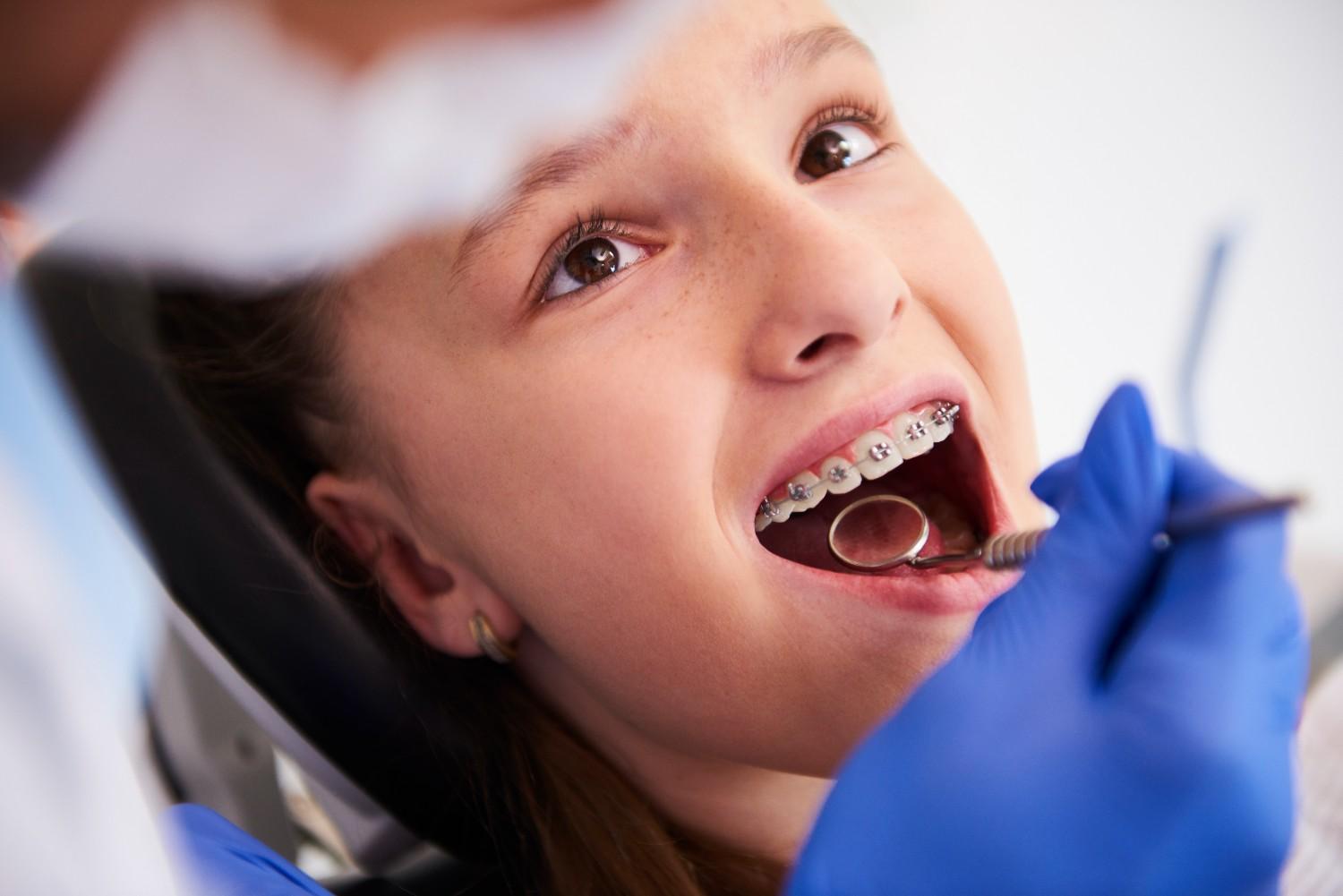
If you’ve ever wondered “how long do braces take to straighten teeth?” or searched for “braces treatment duration,” you’re not alone. This is one of the most common and important questions patients ask before starting orthodontic care. The truth is, there’s no universal answer, but understanding the typical braces timeline can help you plan your treatment with confidence. Whether you’re a teenager in Kamothe, a working professional in Navi Mumbai, or an adult in Panvel considering correction for the first time, how long braces take depends on your unique dental anatomy, the severity of misalignment, your age, and the type of appliance you choose. While some mild cases may resolve in under a year, others require more time to achieve stable, functional, and lasting results. In this comprehensive guide, we’ll explore what influences teeth straightening time with braces, walk you through month-by-month expectations, compare treatment speeds across age groups and appliance types, and share practical tips to stay on track so you can move confidently toward your ideal smile.
Average Braces Treatment Duration (Mild, Moderate & Severe Cases)
Most orthodontic cases fall within a 12 to 24-month treatment window. However, this is a general range, not a fixed rule. Here’s how it breaks down:
- Mild cases (minor spacing, slight crowding, or a single rotated tooth): 6 to 12 months
- Moderate cases (noticeable crowding, overbite, or crossbite): 12 to 18 months
- Severe cases (significant crowding, open bite, underbite, or jaw discrepancies): 18 to 30+ months
These timeframes apply to traditional fixed appliances like metal braces or ceramic braces. It’s also worth noting that braces treatment time for adults may be slightly longer than for teens due to denser bone structure, but modern techniques ensure excellent outcomes at any age. Meanwhile, braces treatment time for teenagers often moves faster because their jaws are still developing, allowing teeth to shift more readily.
Braces Timeline by Case Severity: How Long Each Type Takes
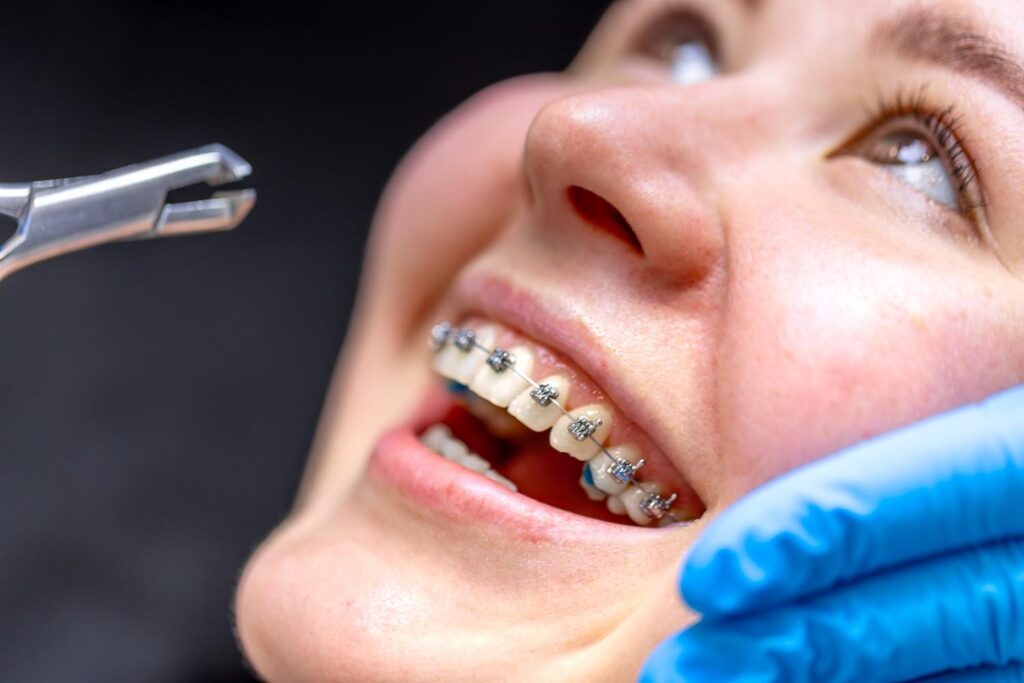
Understanding your case type helps set realistic expectations:
Mild Orthodontic Issues
- Characteristics: Small gaps between front teeth, mild crowding limited to one or two teeth, or minor midline shift
- Treatment focus: Cosmetic alignment of visible “social six” teeth
- Duration: Typically 6 to 12 months
- Common solutions: Traditional braces or accelerated cosmetic options like Six Month Smiles
Moderate Alignment Problems
- Characteristics: Crowded lower or upper arches, moderate overbite (upper teeth significantly overlap lowers), or mild crossbite
- Treatment focus: Full-arch alignment and bite correction
- Duration: Usually 12 to 18 months
- Appliances used: Metal or ceramic braces, often with elastics for bite refinement
Severe Malocclusions
- Characteristics: Extreme crowding requiring extractions, skeletal underbites, open bites (front teeth don’t touch), or impacted canines
- Treatment focus: Comprehensive tooth movement, jaw coordination, and long-term stability
- Duration: 18 to 30 months or more
- May involve: Extractions, temporary anchorage devices (TADs), or collaboration with an oral surgeon
Braces Treatment Duration Table: Mild vs Moderate vs Severe Cases
|
Case Type |
Characteristics | Duration |
Suitable Appliances |
| Mild | Small gaps, minor crowding, slight rotation | 6–12 months | Metal braces, ceramic braces, Six Month Smiles |
| Moderate | Moderate crowding, overbite, mild crossbite | 12–18 months | Metal/ceramic braces + elastics |
| Severe | Severe crowding, open bite, underbite, extractions needed | 18–30+ months | Metal braces, lingual braces, TAD-supported treatment |
Braces Timeline Month-by-Month: What to Expect at Each Stage
While every patient’s journey is unique, orthodontic treatment follows a predictable biological sequence:
- Month 1: Initial alignment begins. Teeth start to de-rotate and level using gentle, continuous forces. Discomfort is minimal after the first few days.
- Months 2 to 3: Front teeth shift into better position; gaps begin closing noticeably.
- Months 3 to 6: Major tooth movements occur. Crowded arches expand, spaces close, and midlines align. This is often when friends first notice a change.
- Months 6 to 12: Bite correction takes priority. Elastics or specialized wires address overbites, underbites, or crossbites.
- Months 12 to 18+: Finishing phase. Roots are uprighted, contacts are refined, and final detailing ensures symmetry and stability.
- Final visit: Braces are removed, and impressions are taken for your custom retainer.
Month-by-Month Braces Progress Chart
|
Timeline |
What Happens |
|
Month 1 |
Initial alignment; leveling begins |
|
Months 2–3 |
Front teeth start aligning; gaps close |
|
Months 3–6 |
Major tooth movements; midline correction |
| Months 6–12 |
Bite correction with elastics/wires |
| Months 12–18+ |
Finishing phase, detailing, symmetry |
| Final Visit |
Braces removal + retainer impressions |
Regular adjustments every 4 to 6 weeks keep this process on track.
What Affects Braces Treatment Time? Key Factors Explained
Your timeline isn’t just about crooked teeth. It’s influenced by multiple variables:
- Age: Teens typically respond faster due to active bone remodeling. Braces treatment time for adults may be 10 to 20% longer, but results are equally durable.
- Case complexity: More teeth needing movement means more time.
- Type of braces:
- Metal braces: Most efficient; often fastest due to low-friction brackets, especially self-ligating systems
- Ceramic braces treatment time: Slightly longer, usually by 2 to 4 months, because ceramic brackets create more friction
- Lingual braces: Similar duration to metal, but require more adjustment visits
- Patient compliance: Missing appointments, not wearing elastics, or poor oral hygiene can add months to treatment.
- Bone density and biology: Some people’s bone responds quicker to orthodontic force. This is genetic and varies individually.
- Oral health: Gum disease or chronic inflammation can delay tooth movement and must be treated first.
When Do Braces Start Showing Results? (4–6 Week Changes)
Good news: change happens faster than most expect.
- Within 4 to 6 weeks, front teeth often begin aligning, especially if closing gaps.
- By 3 months, noticeable improvement in smile symmetry is common.
- At 6 months, most patients are well into active correction, with significant crowding resolved or bite changes visible.
While full correction takes longer, these early wins provide real motivation to stay the course.
Can Braces Straighten Teeth in Just 6 Months?
Yes, but with important caveats.
Accelerated programs like Six Month Smiles focus only on the front six to eight teeth for cosmetic improvement. They’re ideal for adults with:
- Minor spacing
- Slight crowding
- Mild rotation of visible teeth
However, they do not correct bite issues, jaw alignment, or back teeth positioning. If you have functional concerns like chewing difficulties, jaw pain, or severe crowding, a full orthodontic plan is necessary. A consultation determines if you’re a candidate for short-term treatment.
How to Make Braces Work Faster Safely (Pro Tips)
You can’t rush biology, but you can avoid unnecessary delays:
- Keep every adjustment appointment: Skipping even one can reset progress by weeks.
- Wear elastics consistently: If prescribed, wear them 20 to 22 hours per day. Bites won’t correct without them.
- Protect your braces: Avoid hard, sticky, or chewy foods that break brackets or bend wires.
- Brush and floss thoroughly: Plaque buildup causes gum inflammation, which slows tooth movement.
- Report issues immediately: A loose bracket or poking wire should be fixed within 24 to 48 hours to prevent setbacks.
These habits keep your braces timeline on track and your smile healthy.
Retainer Time After Braces: How Long You Must Wear It
Braces move your teeth, but retainers keep them there. Without retention, teeth gradually shift back, a process called relapse.
- First 6 months: Wear your retainer full-time, removing it only to eat and brush
- After 6 months: Switch to nighttime-only wear, often indefinitely
- Permanent retainers: Some patients get a fixed wire bonded behind front teeth for added security
At Sasane Dental Clinic, we provide custom-fit retainers and long-term follow-up to protect your investment.
Conclusion: Your Personalized Braces Timeline & Next Steps
While everyone wants to know “how long do braces take,” the real goal isn’t speed. It’s a stable, healthy, and beautiful smile that lasts a lifetime. At Sasane Dental Clinic in Panvel, Kamothe, and Navi Mumbai, we combine advanced orthodontic planning with personalized care to ensure your treatment is as efficient, comfortable, and effective as possible, no matter your age or case complexity.
If you’re ready to understand your unique braces timeline, the best next step is a professional evaluation.
Start your journey to a straighter, healthier smile today. Schedule a free orthodontic consultation at Sasane Dental Clinic, your trusted partner for braces, clear aligners, and complete dental care in Panvel, Kamothe, and Navi Mumbai. Book your appointment now and discover how soon your transformation can begin.
FAQs: Braces Duration, Timeline & Treatment Expectations
Q: How long do braces take to straighten teeth on average?
A: On average, braces take 12 to 24 months, depending on the complexity of your case.
Q: Do braces work faster on kids or adults?
A: Braces typically work faster on teenagers and kids because their jaws are still growing and their bone is more responsive to tooth movement.
Q: How long do braces take for crowded teeth?
A: Mild crowding may take 6–12 months, while moderate to severe crowding usually requires 18–24 months or more.
Q: Can braces fix teeth in just 6 months?
A: Only for very mild cosmetic issues like small gaps or slight front-tooth crowding—full bite correction takes longer.
Q: When do you start seeing results after getting braces?
A: Most patients notice visible changes within 4 to 8 weeks, especially in front-tooth alignment.
Q: Do ceramic braces take longer than metal braces?
A: Yes, ceramic braces often take 2–4 months longer than metal braces due to higher friction and more delicate handling.
Q: How long do you need to wear a retainer after braces?
A: Full-time for the first 6 months, then nightly for several years or indefinitely to prevent relapse.
Q: What can delay braces treatment duration?
A: Missed appointments, poor oral hygiene, not wearing elastics, broken brackets, or untreated gum disease can all add months to treatment.
Q: Does tooth extraction make braces take longer?
A: Not necessarily, it may slightly extend treatment by a few months, but it often leads to better long-term alignment and stability.
Q: How often do braces need to be tightened or adjusted?
A: Braces are typically adjusted every 4 to 6 weeks to ensure steady, controlled tooth movement.